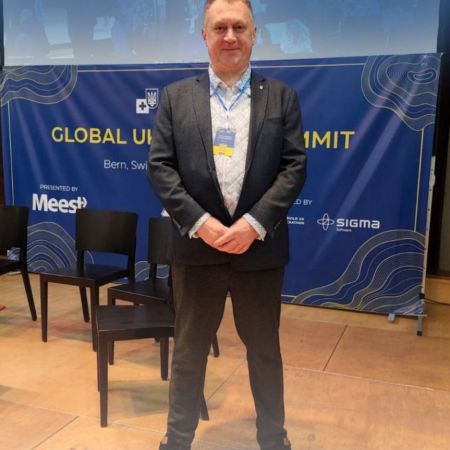
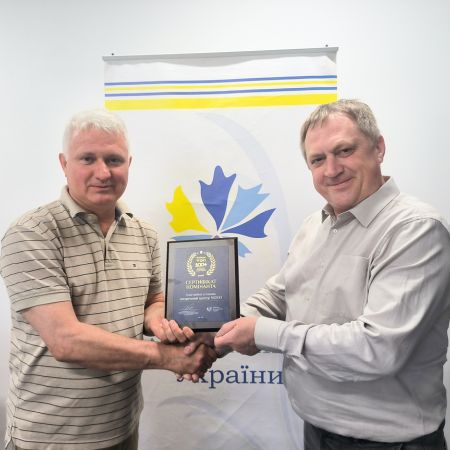
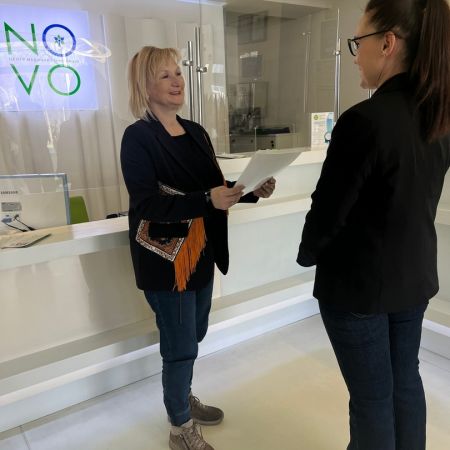
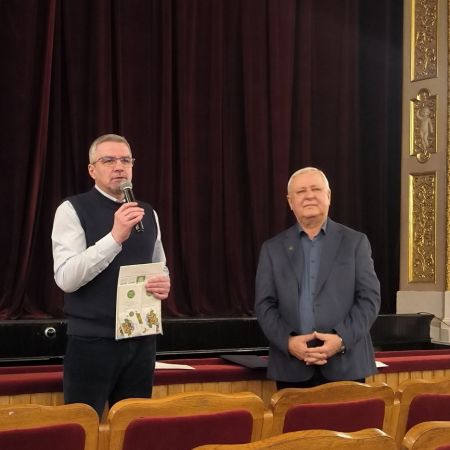
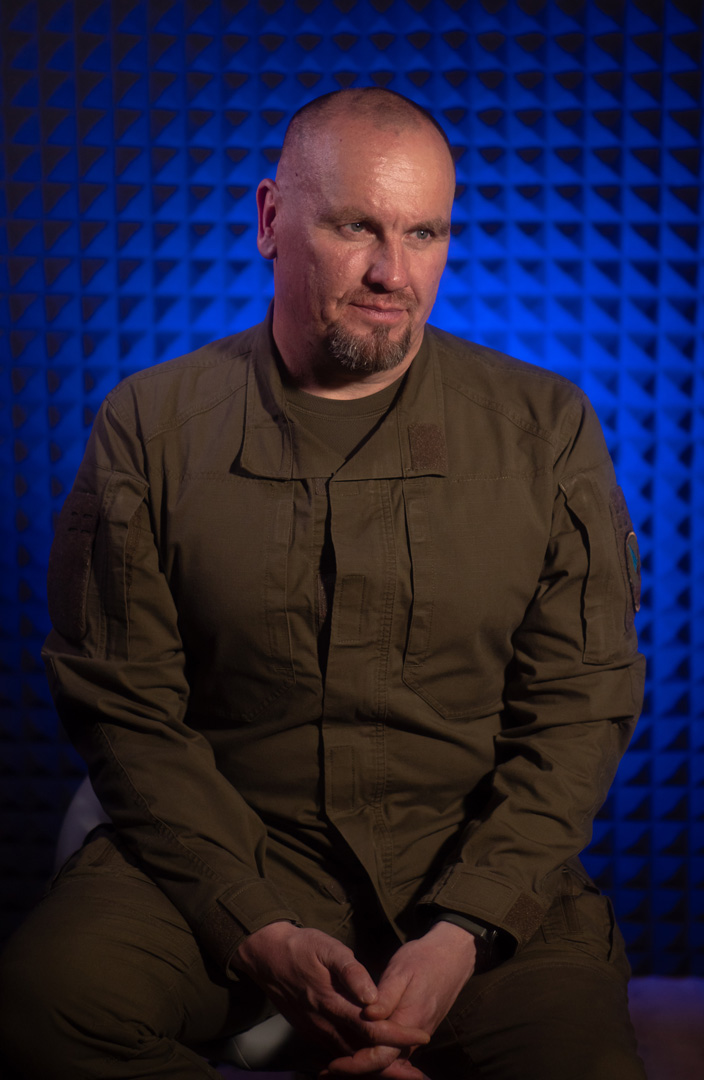
Returning to civilian life after the front is another battle, no less challenging than on the front line. It’s difficult but possible if you don’t stay silent or isolate yourself. It requires resilience, support, and time. Most importantly, it demands the realization that an injury doesn’t mark the end but opens a new path. Ivan Tymochko, Head of the Reservists’ Council of the Ukrainian Ground Forces, shares in a new project by “Tvoe Misto” and NOVO Medical Center why treatment and rehabilitation are a responsibility, how veterans can rediscover themselves, where to seek support, and why asking for help is not a weakness but a strength.
Rehabilitation Is Also a Form of Service
War changes the body, mind, and time, but most profoundly, it changes the person. I am a volunteer who began my service as a soldier in the 24th Brigade named after King Danylo, later becoming a sergeant. I served from 2016 to 2019, followed by a short break. Since 2022, I have been an active serviceman. I declined officer training because I believe a sergeant is not just a rank but the backbone of the army—a person who maintains combat order.
My dream is to make sergeant service as prestigious as it is in NATO, because without sergeants, there would be no organized army.
After my first service, I was demobilized due to health issues. There were illnesses and surgeries. During that time, I was invited to represent the brigade in Kyiv, and later, in 2020, I became the Head of the Reservists’ Council. Even then, I didn’t disconnect—I was receiving treatment while staying active. Discipline, motivation, and patience helped, but support was even more crucial. Without it, a veteran is often left alone with their pain.
When the full-scale invasion began, reservists were prepared. We were among the first to join the army, head to the east, and engage in combat. I left on March 1. In the first two weeks, the Ukrainian army grew several times over thanks to trained, prepared, and cohesive reservists, while mobilization trained those who were unprepared.
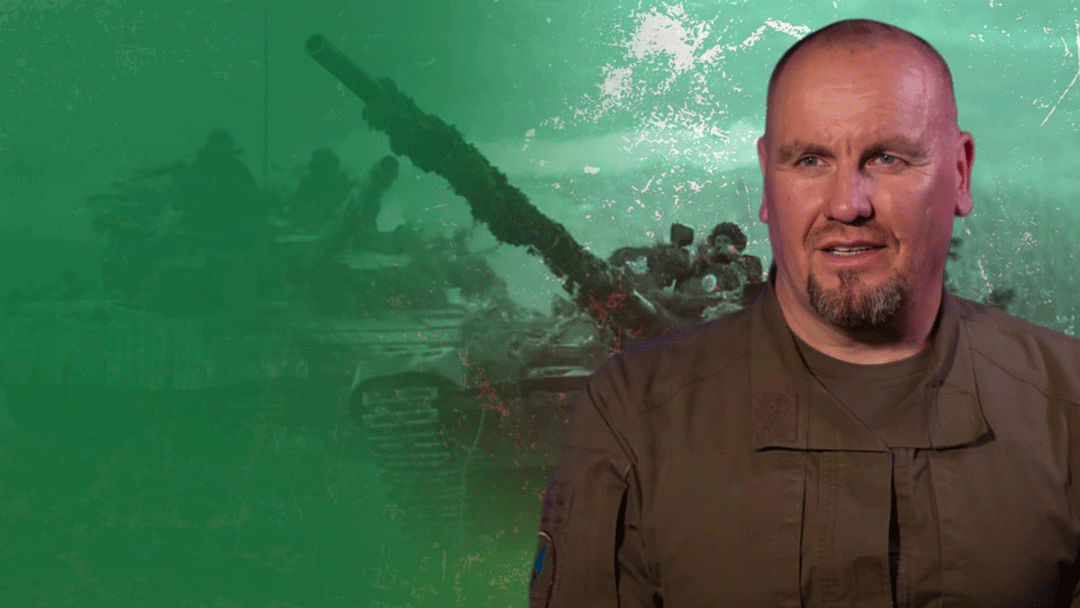
Treatment and Rehabilitation Are Not Weakness but Strength
Rehabilitation is not about isolation; it is a continuation of work and service. Before the army, I was a teacher, social worker, and civil servant, which gave me an understanding of structure, people, and trust. Trust isn’t given automatically—it’s earned through actions, especially on the front line, where everything is real.
I had a range of health issues—some conditions worsened, some I’ve overcome, but new ones emerged. I don’t like talking about ailments, but my rehabilitation was thorough, high-quality, and professional. I believe working on injuries should start not after discharge from the hospital but within it, and it should continue for years. Seeking help and rehabilitating is not a weakness but a strength. The hardest part isn’t physical pain but silence. A person may look healthy but be losing themselves inside. Silence leaves you alone with trauma, but speaking allows you to be heard and often understood.
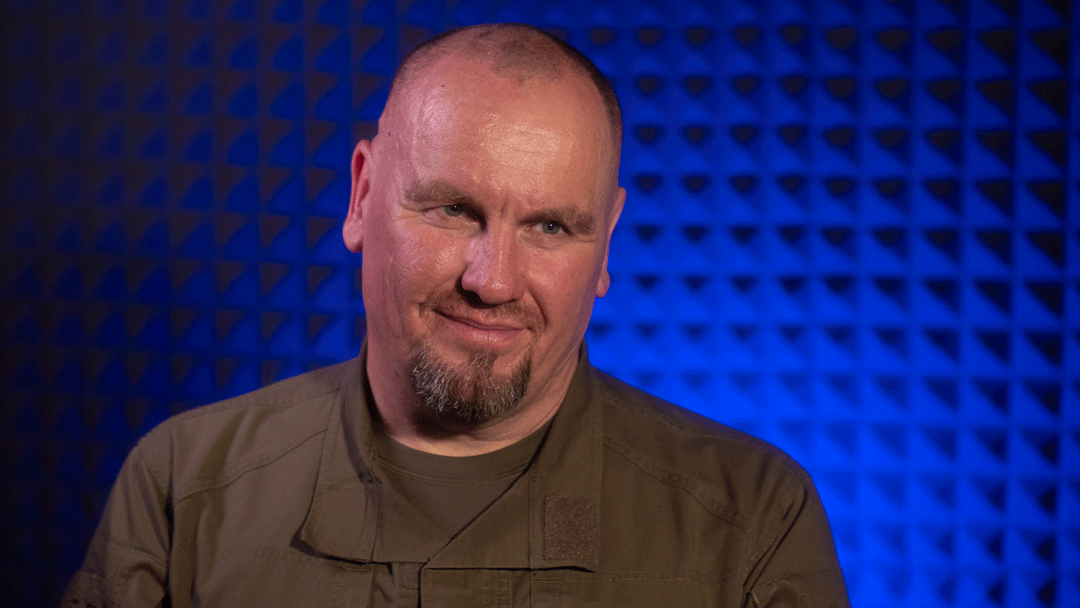
Treatment Is Not Heroism but a Duty
There are always challenges that a person must face and act upon. Rehabilitation is a long and complex process for everyone. Each person remembers how strong and capable they were before and after losing functionality. For those who have lost the ability to walk or undergone amputations, it’s a different matter. As years pass, we age, conditions become chronic, and the question arises: how ready will people be after the war to scale and systematize this work to minimize diseases?
State programs can be written for years, forums can be held in expensive hotels with famous guests, and proposals can be made… But if they don’t reach a soldier who is paralyzed, lying in a hospital without arms or legs, or one who, despite looking fine and having no complaints, starts their day with a handful of pills, that’s a different issue.
My morning starts with coffee—after a handful of pills. It’s become a habit. The key is not to stop. Thanks to the support of friends, family, and comrades, I remain in service.
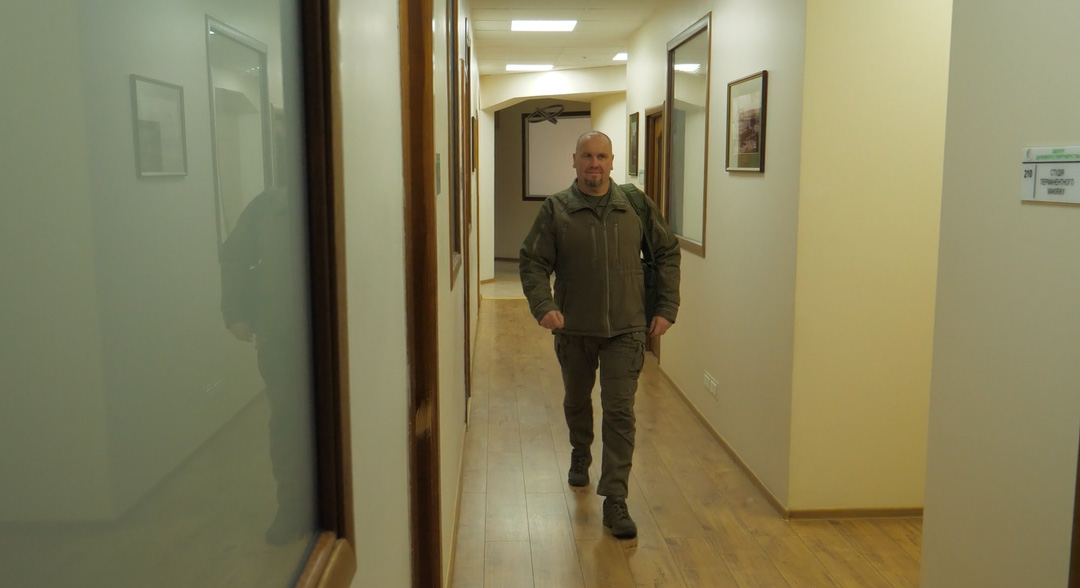
Community Support: A Veteran Should Not Be Alone
I underwent rehabilitation at a medical center, focusing on physical recovery rather than psychological support. My health issues and ailments persist—some I overcome, others flare up. For those returning from the front, psychological challenges often arise, so help must be available locally. Even if a man returns from the army and avoids contact with comrades, local communities must remember him, offer help, and engage in communication. It’s our duty to maintain ourselves at a level where we can defend our country if needed.
From experience, I know that while you’re in the army, your body holds up. But after discharge, without the adrenaline rush, health starts to deteriorate, new ailments appear, and old conditions worsen.
Rehabilitation for All
Rehabilitation is necessary for everyone, even those who return with all limbs intact. We don’t know what’s in each person’s mind. But I know for sure: a sick society cannot heal individuals, yet strong individuals can heal society.
I also faced issues after mobilization. The abrupt change in lifestyle caused discomfort, affecting my health. But I didn’t stay silent—I sought help. Silence consumes people.
Support from the state and NGOs during rehabilitation varies, but much depends on the individual and the severity of their condition. There are complaints, but also many thanks.
A Second Life: Finding a New Mission After Injury
There’s no miracle pill or simple solution for rehabilitation. Medical and rehabilitation centers alone won’t help—each person needs a survival instinct. I receive high-quality medical rehabilitation services in Lviv because I knew where to turn. It’s not about status but the desire to seek help and recovery. Be prepared—it’s not easy, and the process is long, but knowing where to go makes it work.
My main advice to those returning or starting rehabilitation: believe in yourself and speak up. Talk about pain, fatigue, fear, and hope. It’s fundamental. Friends, family, and loved ones sense your mood, even when it’s unspoken. If you’re determined to overcome yourself, your health, or your illness, they’ll be motivated too. This shortens the time needed to believe everything will be okay.
Moving Forward
There’s always something missing in life, but waiting passively isn’t the answer. You must act, explore, and do something. Offer your practices, build your experience.
Most importantly—there is life after the front! And it’s no less significant than what came before. Often, it’s deeper, stronger, and more genuine. The key is not to give up and not to walk this path alone.
Olha Shveda
Photos: Tvoe Misto
Partner Publication
Full or partial reproduction of the text without written permission from the editorial team is prohibited and considered a violation of copyright.
[ConnectionBlock]